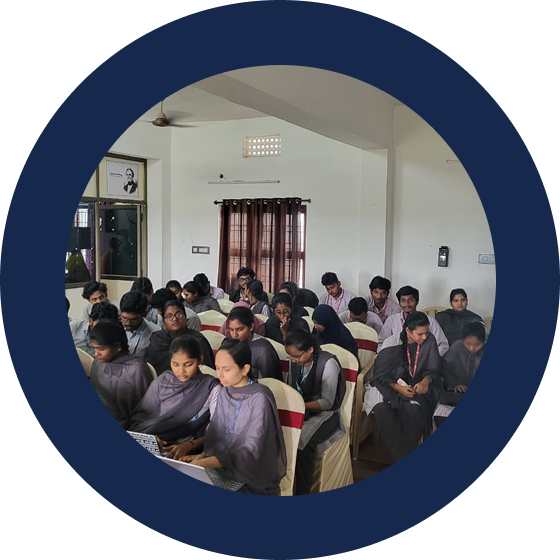
The Civil Engineering program at Amrita Sai Institute of Science and Technology focuses on the planning, design, and development of infrastructure that supports modern living. The curriculum covers core domains including structural engineering, geotechnical engineering, transportation systems, water resources, environmental engineering, and construction technology. Through structured coursework, extensive laboratory practice, and applied learning, students develop strong analytical ability and practical competence to address real-world infrastructure and development challenges.
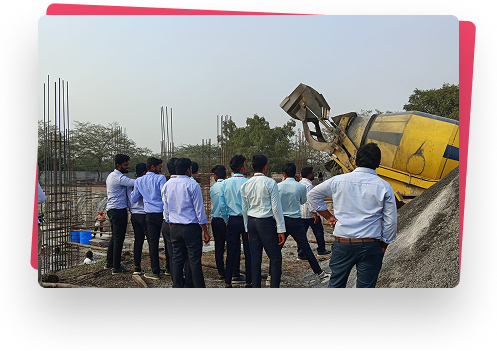
Graduates will pursue professional careers or higher studies in civil engineering with strong foundations, ethics, and responsibility.
Graduates will analyse and design appropriate solutions for socially relevant engineering problems using modern tools and techniques.
Graduates will engage in continuous professional development through effective communication, teamwork, and lifelong learning.
Identify, formulate, and analyse civil engineering problems using mathematics, science, and engineering principles.
Apply research-based methods, experimentation, and data interpretation to arrive at valid engineering conclusions.
Design civil engineering systems and solutions considering public health, safety, and functional requirements.
Conduct investigations using appropriate experimental and analytical techniques.
Select and apply modern civil engineering and software tools with an understanding of practical limitations.
Assess societal, cultural, and ethical responsibilities related to civil engineering practice.
Understand environmental and legal impacts of civil engineering solutions and promote sustainable development.
Demonstrate commitment to professional ethics and engineering norms.
Function effectively as an individual and as a member of multidisciplinary teams.
Communicate effectively through technical reports, documentation, and presentations.
Apply engineering and management principles to plan and manage civil engineering projects.
Engage in continuous learning to adapt to technological and professional changes.
Apply civil engineering principles across structural, geotechnical, transportation, and water resource domains.
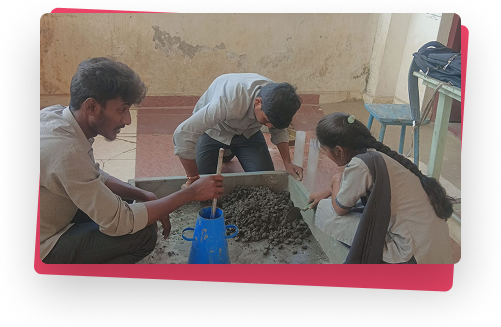
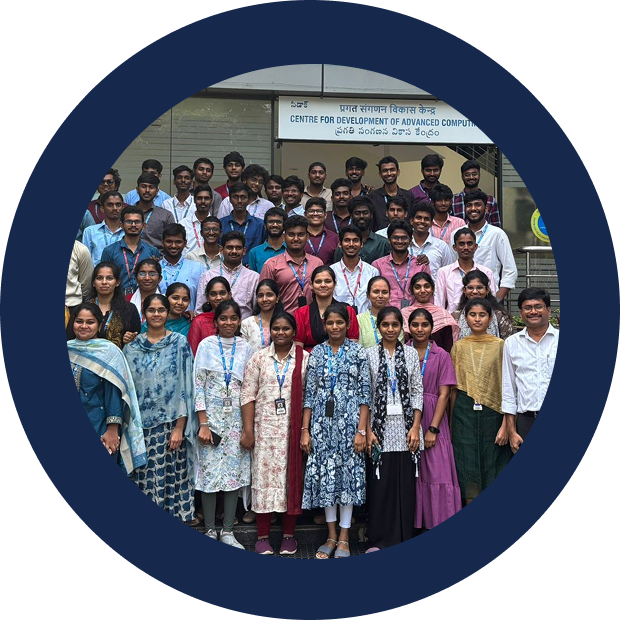
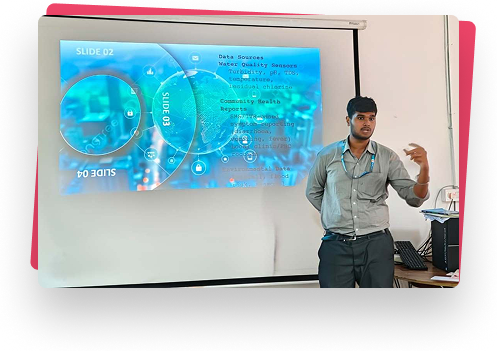
The Civil Engineering program at Amrita Sai Institute of Science and Technology focuses on the planning, design, and development of infrastructure that supports modern living. The curriculum covers core domains including structural engineering, geotechnical engineering, transportation systems, water resources, environmental engineering, and construction technology. Through structured coursework, extensive laboratory practice, and applied learning, students develop strong analytical ability and practical competence to address real-world infrastructure and development challenges.
Graduates will pursue professional careers or higher studies in civil engineering with strong foundations, ethics, and responsibility.
Graduates will analyse and design appropriate solutions for socially relevant engineering problems using modern tools and techniques.
Graduates will engage in continuous professional development through effective communication, teamwork, and lifelong learning.
Identify, formulate, and analyse civil engineering problems using mathematics, science, and engineering principles.
Apply research-based methods, experimentation, and data interpretation to arrive at valid engineering conclusions.
Design civil engineering systems and solutions considering public health, safety, and functional requirements.
Conduct investigations using appropriate experimental and analytical techniques.
Select and apply modern civil engineering and software tools with an understanding of practical limitations.
Assess societal, cultural, and ethical responsibilities related to civil engineering practice.
Understand environmental and legal impacts of civil engineering solutions and promote sustainable development.
Demonstrate commitment to professional ethics and engineering norms.
Function effectively as an individual and as a member of multidisciplinary teams.
Communicate effectively through technical reports, documentation, and presentations.
Apply engineering and management principles to plan and manage civil engineering projects.
Engage in continuous learning to adapt to technological and professional changes.
Apply civil engineering principles across structural, geotechnical, transportation, and water resource domains.
Design and implement practical civil engineering solutions using modern tools and professional practices.