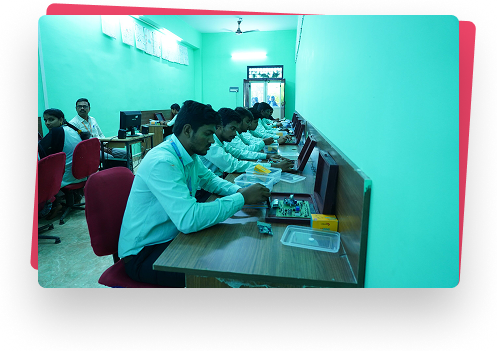
The Electronics and Communication Engineering program in Advanced Communication Technology at Amrita Sai Institute of Science and Technology focuses on the design and implementation of modern communication systems. The curriculum covers wireless communication, signal processing, networking protocols, and emerging communication technologies. Through structured coursework, laboratory practice, and guided projects, students develop strong analytical capability and practical competence to work across telecommunications, networking, and communication-driven technology sectors.
Graduates will apply strong foundations in basic sciences and mathematics to solve electronics and communication engineering problems.
Graduates will demonstrate technical competence in analysing and developing solutions across communication technology domains.
Graduates will uphold ethical conduct, professional responsibility, and continuous learning throughout their careers.
Apply mathematics, science, and electronics engineering fundamentals to solve complex engineering problems.
Identify, formulate, and analyse communication system problems using engineering principles.
Design communication and networking systems considering safety, societal, and environmental constraints.
Conduct experiments, analyse data, and interpret results to draw valid engineering conclusions.
Select and apply modern communication, simulation, and engineering tools with awareness of limitations.
Assess societal, legal, and ethical implications of communication engineering solutions.
Understand environmental and societal impact of communication systems and promote sustainable practices.
Demonstrate commitment to ethical principles and professional responsibilities.
Function effectively as an individual, team member, or leader in multidisciplinary environments.
Communicate technical concepts effectively through reports, documentation, and presentations.
Apply management principles to plan and execute engineering projects.
Recognise the need for continuous learning to adapt to evolving communication technologies.
Apply electronics and communication engineering principles across wireless communication, signal processing, and networking domains.
Design and implement communication systems using modern hardware and software tools to address complex engineering problems.

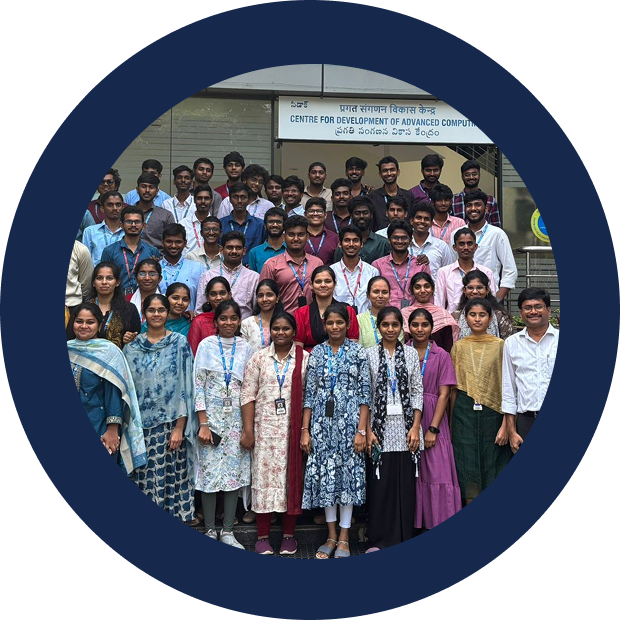
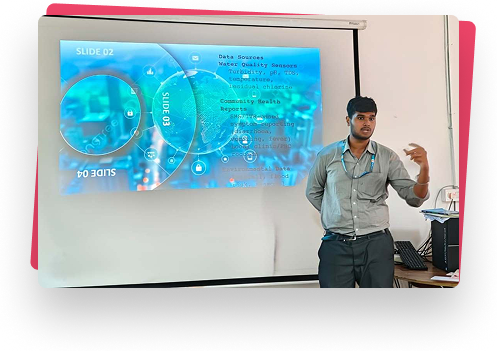
The Electronics and Communication Engineering program in Advanced Communication Technology at Amrita Sai Institute of Science and Technology focuses on the design and implementation of modern communication systems. The curriculum covers wireless communication, signal processing, networking protocols, and emerging communication technologies. Through structured coursework, laboratory practice, and guided projects, students develop strong analytical capability and practical competence to work across telecommunications, networking, and communication-driven technology sectors.
Graduates will apply strong foundations in basic sciences and mathematics to solve electronics and communication engineering problems.
Graduates will demonstrate technical competence in analysing and developing solutions across communication technology domains.
Graduates will uphold ethical conduct, professional responsibility, and continuous learning throughout their careers.
Apply mathematics, science, and electronics engineering fundamentals to solve complex engineering problems.
Identify, formulate, and analyse communication system problems using engineering principles.
Design communication and networking systems considering safety, societal, and environmental constraints.
Conduct experiments, analyse data, and interpret results to draw valid engineering conclusions.
Select and apply modern communication, simulation, and engineering tools with awareness of limitations.
Assess societal, legal, and ethical implications of communication engineering solutions.
Understand environmental and societal impact of communication systems and promote sustainable practices.
Demonstrate commitment to ethical principles and professional responsibilities.
Function effectively as an individual, team member, or leader in multidisciplinary environments.
Communicate technical concepts effectively through reports, documentation, and presentations.
Apply management principles to plan and execute engineering projects.
Recognise the need for continuous learning to adapt to evolving communication technologies.
Apply electronics and communication engineering principles across wireless communication, signal processing, and networking domains.
Design and implement communication systems using modern hardware and software tools to address complex engineering problems.