The Computer Science & Engineering (Artificial Intelligence & Machine Learning) program at Amrita Sai Institute of Science and Technology focuses on building strong computing foundations alongside intelligent system design. The curriculum integrates core computer science with machine learning, data-driven models, and algorithmic reasoning. Through structured coursework, laboratory practice, and guided projects, students develop analytical depth and practical capability to work with evolving AI technologies across industries and applications.

Analyse computing problems and design, implement, and evaluate AI-based and computer-driven solutions.
Apply research-oriented methods, modern tools, and ethical practices to develop and validate intelligent computing systems.
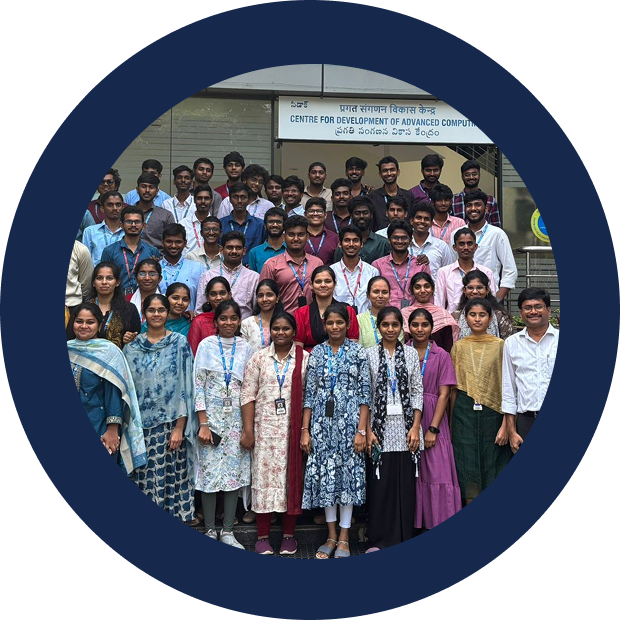

The Computer Science & Engineering (Artificial Intelligence & Machine Learning) program at Amrita Sai Institute of Science and Technology focuses on building strong computing foundations alongside intelligent system design. The curriculum integrates core computer science with machine learning, data-driven models, and algorithmic reasoning. Through structured coursework, laboratory practice, and guided projects, students develop analytical depth and practical capability to work with evolving AI technologies across industries and applications.
Graduates will apply foundations in mathematics, science, and computer science to analyse and solve real-world engineering problems.
Graduates will pursue professional careers in AI-driven, software, and technology organisations or advance into higher education, research, and continuous learning.
Graduates will demonstrate communication skills, ethical judgement, leadership qualities, and collaborative ability while contributing responsibly to society.
Apply mathematics, science, and core computer science principles to solve complex engineering problems.
Identify, formulate, and analyse computing problems using principles of mathematics, natural sciences, and engineering.
Design intelligent systems and computing solutions considering safety, societal, and environmental factors.
Conduct investigations using research-based methods, experimentation, and data analysis to reach valid conclusions.
Select and apply modern computing, AI, and engineering tools with awareness of their limitations.
Assess societal, legal, health, and cultural implications of computing solutions and act responsibly.
Understand environmental and societal impact of computing solutions and support sustainable development.
Demonstrate commitment to ethical principles and professional responsibilities.
>Function effectively as an individual, team member, or leader in multidisciplinary environments.
Communicate effectively through technical documentation, reports, and professional presentations.
Apply engineering and management principles to plan and manage projects in team environments.
Recognise the need for continuous learning and adapt to technological advancements.

Dr. M. Sreedevi is a distinguished academician with 28 years of teaching and research experience. She is dedicated to academic excellence, research, innovation, and mentoring students and research scholars. Her expertise spans emerging technologies, outcome-based education, and interdisciplinary research, contributing significantly to higher education and technological advancement.