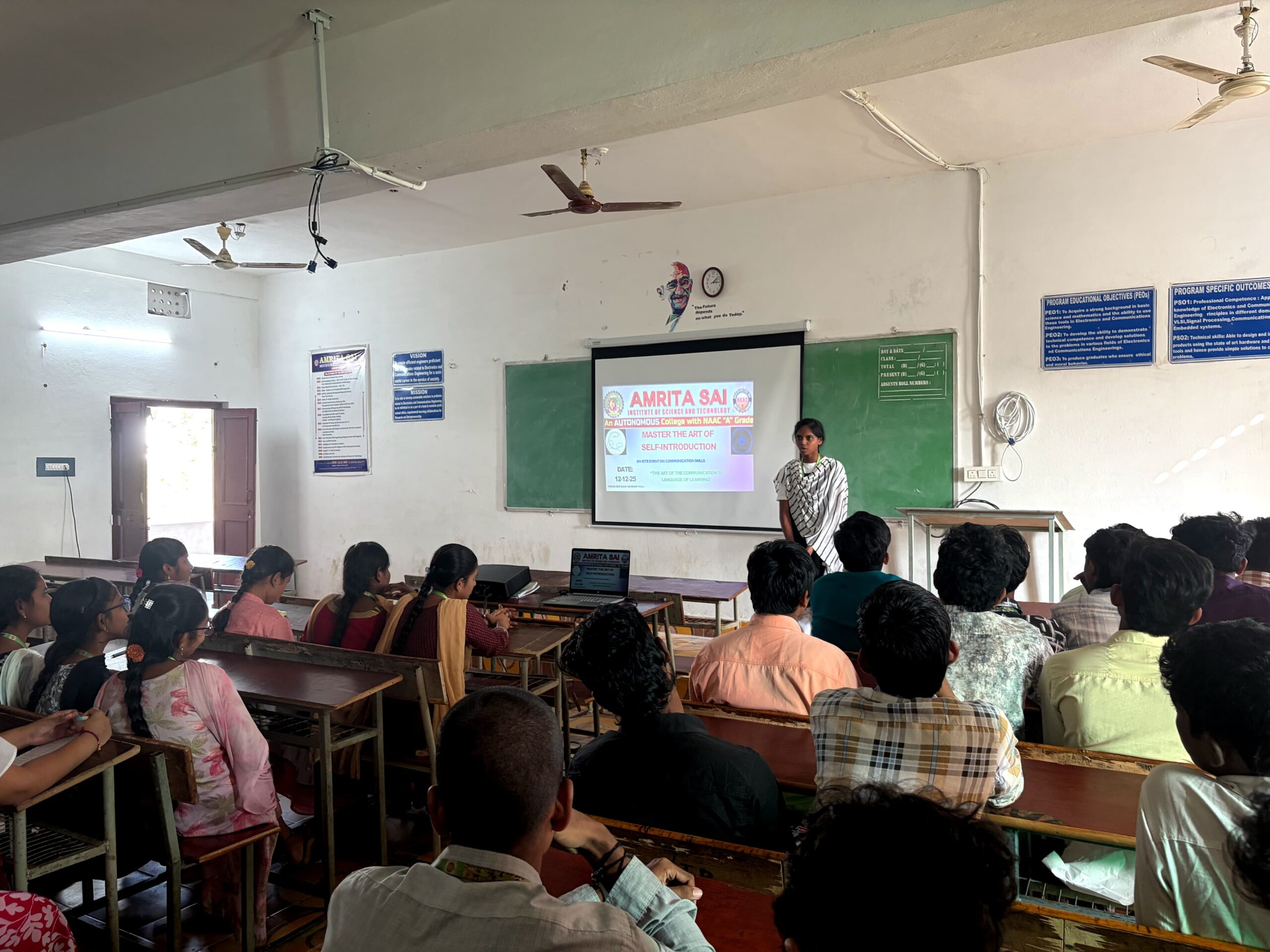
Electronics & Communications Engineering Department
Where Electronics Meets Systems, Signals, and Communication
The Electronics & Communication Engineering Department at Amrita Sai Institute of Science and Technology is structured to develop strong foundations in electronic systems, communication technologies, and signal processing. The department integrates core engineering principles with modern applications, preparing students to work across communication networks, embedded systems, and electronic design environments.
With a focus on conceptual clarity, laboratory integration, and evolving technologies, students learn how systems function, communicate, and scale. The academic approach ensures they are equipped to understand both hardware and software aspects of modern electronic systems.
Academic Pathways in Computer Science
B.Tech in Electronics & Communication Engineering
This programme builds strong fundamentals in analog and digital electronics, communication systems, signal processing, microprocessors, and embedded systems. The learning structure ensures that students first understand core principles before applying them through labs, simulations, and projects.
With exposure to real-world communication systems and electronic design practices, students are prepared for careers across telecommunications, embedded systems, and electronics industries.
M.Tech in VLSI Design and Technology
An advanced programme focused on semiconductor design, chip architecture, and integrated circuit systems. Students work with digital and analog design concepts, HDL programming, and simulation tools used in modern VLSI workflows.
The curriculum emphasises design accuracy, optimisation, and system-level understanding, supported by lab work and project-based learning. Graduates are prepared for roles in chip design, hardware engineering, and semiconductor industries, along with opportunities in research and advanced development.
M.Tech in Digital Electronics & Communication Systems (DECS)
This programme focuses on advanced communication systems, digital signal processing, and modern electronic system design. Students gain deeper exposure to wireless communication, network systems, and signal analysis through structured coursework and applied projects.
The learning approach combines theory with simulation and system-level implementation, preparing graduates for roles in communication engineering, signal processing, and advanced electronics systems, as well as research and academic progression.
Diploma in Electronics & Communications Engineering
A foundation-level programme that introduces students to basic electronics, circuits, communication systems, and instrumentation. The curriculum emphasises practical exposure through lab sessions, helping students understand how electronic components and systems operate.
Students develop early technical confidence and are prepared for lateral entry into engineering programmes or entry-level roles in electronics and communication sectors.
Vision & Mission
Vision
- To create efficient engineers proficient with the domains related to Electronics and Communications Engineering for a successful career in the service of society.
Mission
- To be able to develop sustainable solutions to problems related to Electronics and Communications Engineering as an individual or as a part of a team to maintain professional ethics, experimental learning, collaborations for research and Entrepreneurship.
How Learning Is Structured
Fundamentals first.
Systems next.
Application throughout.
Related branches:
- Strong grounding in electronic circuits, signals, and communication principle
- Progressive exposure to embedded systems, VLSI, and advanced communication technologies
- Continuous lab work and simulation-based learning
- Project-based application of concepts across domains
- Curriculum refinement aligned with industry and technological developments
Learning Infrastructure
Well-equipped labs for Analog & Digital Electronics, Communication Systems, and Microprocessors
VLSI and Embedded Systems laboratories with design and simulation tools
Signal processing and instrumentation labs for applied experimentation
High-speed computing systems and simulation environments
Access to academic resources, journals, and technical platforms
Department Strengths
- Good internet facilities have special all time open internet and advanced labs.
- Employment opportunities for students are provided through on-campus & off-campus placement.
- Better opportunities for the students in the sports field.
- Competitions in student design, technical paper writing and presentation.
Beyond the Classroom
Learning that extends through exposure, experimentation and collaboration.
Students actively engage in:
- Technical workshops, seminars, and expert sessions
- Electronics design projects and circuit development activities
- Paper presentations and research initiatives
- Industry interactions and certification programmes
- Technical competitions and collaborative learning activities
Head of Department
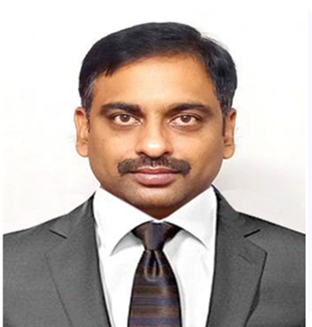
Dr. V. Ramesh Babu
Professor | Ph.D (Medical Image Processing)
With over 20 years of academic excellence, Dr. Ramesh Babu leads the ECE department with a focus on research-driven teaching. An expert in Digital Image Processing and VLSI, he has authored over 30 research publications and the book “Fiber Optic Communication.”
- Fellow of IETE
- +91-9491727290
- Life Member of IAENG
- [email protected]
- 30+ Publications
Where This Leads
Prepared for systems. Ready for complexity.