Amrita Sai Institute of Science and Technology is an autonomous, self-financing institution established in 2007 by the Amrita Sai Educational Improvement Trust. Approved by the All India Council for Technical Education and permanently affiliated to Jawaharlal Nehru Technological University, Kakinada, the institute is accredited with an A Grade by the National Assessment and Accreditation Council and recognised under Sections 2(f) and 12(B) of the UGC Act.
The institute is located within the Capital Region Development Authority limits of Andhra Pradesh on a green campus spread across 10.39 acres. Its academic infrastructure includes over 18,000 square metres of built-up area comprising well-equipped laboratories, learning spaces, and shared facilities that support both curricular and co-curricular activity. Alongside the prescribed academic framework, the institute places strong emphasis on workshops, value-added courses, and structured skill upgradation initiatives.
From the 2020–21 academic year onwards, Amrita Sai expanded its academic offerings to include emerging technology programs in Computer Science Engineering such as Data Science, Big Data Analytics, IoT and Cyber Security, Blockchain, Artificial Intelligence, and Machine Learning. Advanced, technology-oriented specialisations are also integrated across Electronics and Communication, Electrical and Electronics, Mechanical, and Civil Engineering programs. Guided by academic autonomy and continuous curriculum refinement, the institute remains focused on delivering education that balances strong foundations with contemporary relevance.
Amrita Sai Institute of Science and Technology is an autonomous, self-financing institution established in 2007 by the Amrita Sai Educational Improvement Trust. Approved by the All India Council for Technical Education and permanently affiliated to Jawaharlal Nehru Technological University, Kakinada, the institute is accredited with an A Grade by the National Assessment and Accreditation Council and recognised under Sections 2(f) and 12(B) of the UGC Act.
The institute is located within the Capital Region Development Authority limits of Andhra Pradesh on a green campus spread across 10.39 acres. Its academic infrastructure includes over 18,000 square metres
of built-up area comprising well-equipped laboratories, learning spaces, and shared facilities that support both curricular and co-curricular activity. Alongside the prescribed academic framework, the institute places strong emphasis on workshops, value-added courses, and structured skill upgradation initiatives.
From the 2020–21 academic year onwards, Amrita Sai expanded its academic offerings to include emerging technology programs in Computer Science Engineering such as Data Science, Big Data Analytics, IoT and Cyber Security, Blockchain, Artificial Intelligence, and Machine Learning. Advanced, technology-oriented specialisations are also integrated across Electronics and Communication, Electrical and Electronics, Mechanical, and Civil Engineering programs. Guided by academic autonomy and continuous curriculum refinement, the institute remains focused on delivering education that balances strong foundations with contemporary relevance.
To advance technology and management education through innovation, preparing students for global impact with strong thinking, research orientation, and entrepreneurial capability.
Explore our comprehensive range of programs designed to shape future leaders in technology and business
Explore our comprehensive range of programs designed to shape future leaders in technology and business
Learning extends through advanced laboratories, project work, certifications, and industry interaction. These experiences allow students to test concepts, develop judgement, and build confidence through practice.

Clubs, cultural initiatives, technical forums, and collaborative activities encourage communication, teamwork, and leadership. Students learn to engage responsibly within academic and social environments.
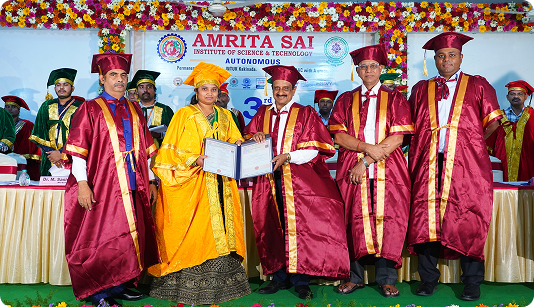
Structured training programs, internships, placement readiness initiatives, and employer engagement support students as they transition from education to professional life with clarity and preparedness.
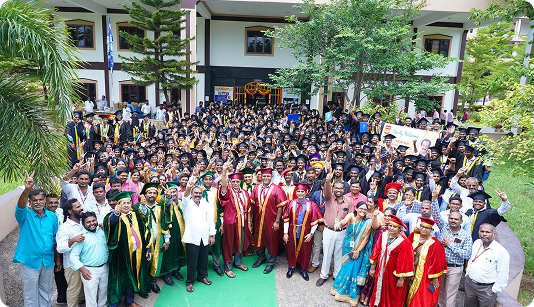
Learning extends through advanced laboratories, project work, certifications, and industry interaction. These experiences allow students to test concepts, develop judgement, and build confidence through practice.
Clubs, cultural initiatives, technical forums, and collaborative activities encourage communication, teamwork, and leadership. Students learn to engage responsibly within academic and social environments.
Structured training programs, internships, placement readiness initiatives, and employer engagement support students as they transition from education to professional life with clarity and preparedness.